Loading...
Serving Fallbrook, CA and surrounding areas. (442) 207-1451
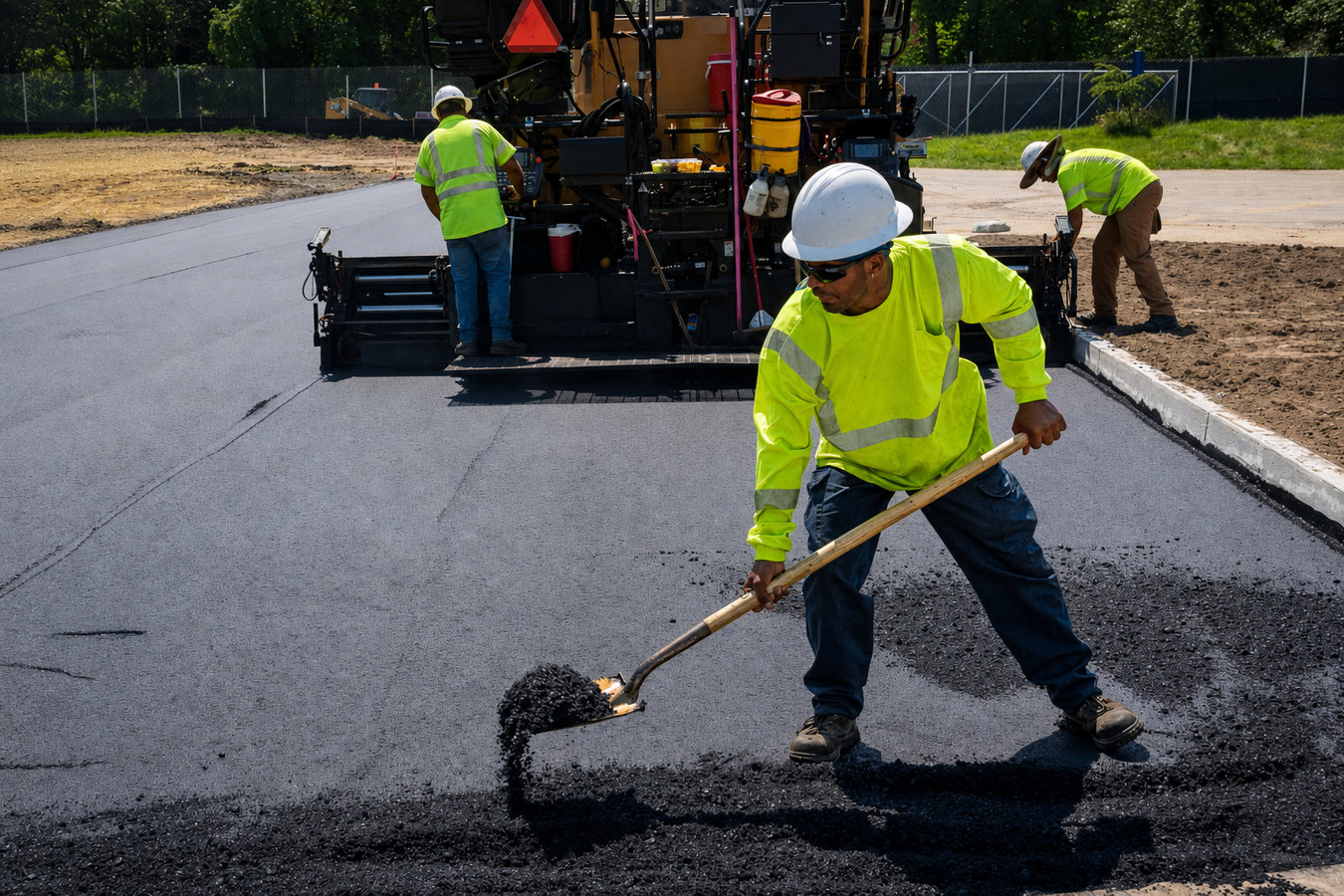
Patching a surface that is past its prime just buries the problem. Milling removes the damaged layer completely so the new asphalt bonds to a clean, solid base.
Asphalt milling in Fallbrook is the process of grinding down the top layer of an existing paved surface using a machine with a rotating drum, removing the worn material and leaving a clean, textured base ready for fresh asphalt. A typical residential driveway can be milled in a few hours, with repaving scheduled the same day or shortly after.
If you have been filling the same cracks every season and the surface is still getting worse, that pattern tells you the asphalt itself - not just the cracks - is the problem. Milling ends that cycle by removing the compromised layer entirely. It also avoids the height issues that come from paving over an existing surface, which can cause problems at garage door thresholds and drainage edges. Many milling jobs are part of a broader asphalt resurfacing project, with the fresh layer going down right after the old one comes off.
When cracks appear across most of your driveway or private road rather than in isolated spots, patching each one stops making sense. Milling removes the entire worn layer so the new surface starts fresh, rather than trapping a patchwork of repairs underneath.
Water pooling on your driveway after Fallbrook's winter rains means the surface has lost its proper slope or developed depressions. Standing water accelerates deterioration and works into the base. Milling lets the contractor re-establish the correct drainage profile before the new layer goes down.
Fallbrook's intense sun and dry heat oxidize asphalt over time, turning it from black to gray and making it fragile. When the surface crumbles at the edges or breaks apart underfoot, the top layer has reached the end of its useful life and needs to be removed.
If your contractor has told you that simply paving on top would raise the finished height too much - causing problems at your garage door, a curb, or a gate - milling is the right first step. This is especially common on driveways that have already had one or more overlays.
Milling is almost always the first step in a full repaving project, not a standalone job. After the old surface is ground away, we inspect the base for soft spots, drainage issues, or root damage before any new asphalt goes down. Catching those problems at this stage is one of the biggest advantages of milling over overlaying - you know what is under your new surface. Once the base is confirmed solid, we move directly into asphalt resurfacing so the milled base is not left exposed longer than necessary.
For properties where the underlying grade or drainage needs work before repaving, drainage solutions can be addressed at the same time. The milled material is loaded into trucks as the machine works - a good contractor recycles reclaimed asphalt pavement back into new mix, which reduces disposal costs and is among the most sustainable practices in construction. We provide written contracts that specify the milling depth, materials going back down, and the complete project timeline before any work begins.
Best for homeowners whose driveway surface has deteriorated beyond what patching can fix and who want a new layer that bonds properly to a clean base.
Suited to rural Fallbrook parcels and shared private roads where the surface has aged to the point of widespread cracking or significant unevenness.
The standard first step before new asphalt is laid, ensuring the finished height is correct and the new surface bonds to a clean, textured base.
After milling exposes the base, we assess for soft spots and drainage issues before repaving - the step that most distinguishes lasting work from work that fails early.
Fallbrook's inland valley climate is harder on asphalt than most homeowners expect. Summer temperatures regularly climb into the 90s and the UV exposure is intense year-round - that sustained heat oxidizes the binder in asphalt, making the surface brittle and gray well before it would fail in a cooler coastal climate. Milling removes that oxidized layer and gives the new surface a fresh start that is far better equipped to handle the heat. The region does not see freeze-thaw damage like colder states, but Fallbrook's expansive clay and decomposed granite soils shift with changes in moisture - especially after the dry season gives way to winter rains - and that movement telegraphs cracks up through any surface that was not properly prepared underneath.
Many properties in Bonsall and Rainbow also have long driveways on sloped lots with large oak or avocado trees nearby - a combination that puts driveway asphalt under pressure from both above and below. Root intrusion is a real factor in this area, and milling exposes the base so the contractor can see whether root damage goes deeper than the surface before new asphalt is laid.
Call or message us to describe your surface - roughly how large, what condition it is in, and what you want to accomplish. We will respond within one business day to schedule an on-site visit.
We walk the surface with you, measure the area, check the base condition, and note any drainage or access factors specific to your Fallbrook property. You get a written estimate that breaks out milling and repaving separately.
The milling machine grinds the surface to the agreed depth and the crew loads the milled material as they go. Once the old surface is off, we inspect the base for soft spots or drainage issues that need attention before paving. This step is not optional - it is the whole point of milling.
New asphalt is laid, compacted, and finished to the correct slope. We walk the finished surface with you to confirm drainage and let you know when it is ready for regular traffic - typically within a day. Ask us about a sealing schedule: in Fallbrook's sun, a fresh seal coat after the surface has cured can extend its life significantly.
Free on-site estimate. Written scope before any work starts. No surprises.
(442) 207-1451Fallbrook's expansive clay and decomposed granite soils behave differently from what most contractors encounter in flat suburban areas. We know how to inspect for soft spots and drainage problems specific to this part of North San Diego County - not just mill and cover them up.
California requires paving contractors to hold a state license - ours is active, in good standing, and publicly verifiable in about two minutes online. We also carry general liability and workers' compensation insurance, so you are not exposed if something goes wrong on your property.
Every project gets a written scope that spells out the depth being milled, what materials go back down, and the complete timeline. That protects you if anything changes mid-project and is a basic sign of a contractor who is accountable for the work.
Membership in the National Asphalt Pavement Association means our crew stays current on industry standards and best practices. That matters when the difference between good milling work and poor milling work shows up in how long your new surface actually lasts.
Milling is one of those services where the work that happens after the machine leaves - base inspection and repair - is as important as the milling itself. We do not skip that step, and we do not schedule a repaving crew until we know the base is ready.
Milling exposes the base - if drainage is part of the problem, we can correct it before new asphalt goes down so you are not back to the same issues next rainy season.
Learn MoreThe natural follow-on to milling - once the old surface is ground away and the base is confirmed solid, fresh asphalt goes down the same day.
Learn MoreCall today for a free on-site estimate - schedule now before the summer paving season fills up.